
Dental Bonding: The Affordable Fix for Chips, Gaps, and Stains
By Dr. Pia Lieb
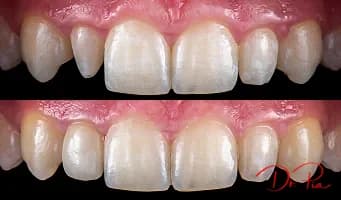
If you want to fix a small cosmetic flaw without the cost and permanence of veneers, dental bonding is often the unsung hero of cosmetic dentistry. It's quick, conservative, and surprisingly versatile — and for the right tooth, it can be done in a single visit with little to no enamel removal.
What Is Dental Bonding?
Bonding uses a tooth-colored composite resin — the same material used in modern fillings — applied directly to the tooth and shaped by hand. Your dentist matches the shade to your natural teeth, sculpts the resin to repair the flaw, hardens it with a curing light, and polishes it smooth. The result blends in seamlessly.
What Can Dental Bonding Fix?
What makes bonding so appealing is what it can correct in a single sitting:
- Chipped or cracked teeth
- Small gaps between teeth (mild diastema) — see the full range of ways to close a gap between your front teeth
- Minor misshapen or short teeth
- Stubborn stains that don't respond to whitening
- Exposed roots from gum recession
For larger transformations, see our overview of porcelain veneers or smile makeovers.
What are the pros of dental bonding?
The advantages stack up for the right candidate:
- Least expensive cosmetic option in most cases
- Single-visit treatment — no second appointment, no lab wait
- Minimally invasive — typically little or no enamel removed
- Often reversible, unlike traditional veneers
- Natural appearance when done by a skilled hand
What are the trade-offs of dental bonding?
Honesty about durability matters. Composite resin isn't as strong as porcelain and can chip, and it stains more readily than veneers — coffee, wine, and tobacco will dull it. Bonding generally lasts several years before needing touch-ups or replacement, compared with a decade-plus for porcelain.
How do you make dental bonding last?
To get the most from bonding:
- Avoid biting nails, pens, or ice
- Limit staining habits (coffee, red wine, tobacco)
- Maintain excellent oral hygiene
- Schedule polishing visits to refresh the surface
The resin can be polished or repaired easily when it dulls, which is part of what makes bonding such a forgiving choice.
Bonding vs. Veneers: Which Is Right for You?
| Factor | Dental Bonding | Porcelain Veneers |
|---|---|---|
| Cost | $ | $$$ |
| Visits | 1 | 2+ |
| Enamel removed | Little or none | Thin layer |
| Lifespan | Several years | 10–15+ years |
| Stain resistance | Lower | Excellent |
| Reversibility | Often reversible | Permanent |
If you're weighing your options, our dental bonding consultation is a good place to start.
Frequently Asked Questions
Does dental bonding hurt? Most patients feel no pain. Anesthesia is rarely needed because little or no enamel is removed.
How long does dental bonding last? Typically 3 to 8 years depending on location, bite forces, and habits.
Can I whiten my teeth after bonding? Whitening only works on natural enamel — it won't lighten existing bonding. Whiten before the work is placed so the resin can be color-matched to your brighter shade.
Is bonding noticeable? Done well, no. The composite is hand-shaded and polished to match the surrounding teeth.
The Bottom Line
For minor cosmetic flaws on a budget — or as a try-before-you-commit alternative to veneers — dental bonding offers a fast, affordable, conservative upgrade. It's one of the best value moves in cosmetic dentistry.
Curious whether bonding is right for your smile? with Dr. Pia and we'll walk you through your options.