
Why Do My Gums Bleed When I Brush? It's Not Normal
By Dr. Pia Lieb
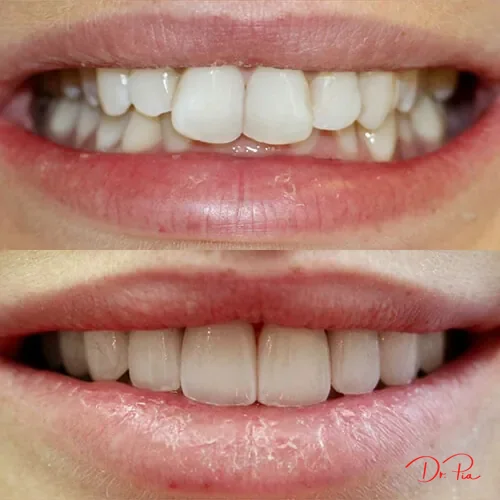
Bleeding gums are one of the body's clearest early warnings, not a normal part of brushing or flossing. A little pink in the sink seems harmless, but it usually signals inflammation. The encouraging news: caught early, the problem is completely reversible.
Why do my gums bleed when I brush?
Healthy gums don't bleed, so when they do the usual cause is gingivitis, the earliest stage of gum disease. Plaque, a sticky film of bacteria, builds up along the gumline, irritating the tissue and making it inflamed and fragile.
That inflammation makes the gums:
- Red instead of pink
- Swollen and puffy along the margin
- Prone to bleeding at the slightest pressure
The bleeding is the tissue reacting to bacterial toxins, not a sign you are brushing too hard (though aggressive brushing can add to it).
Is gingivitis reversible?
Yes, gingivitis is fully reversible with good habits, usually within one to two weeks. Because no irreversible damage has occurred yet, removing the plaque along the gumline lets the tissue heal on its own.
- Brush twice a day for two minutes with a soft-bristled brush
- Floss daily: the flossing that may have started the bleeding is exactly what stops it
- Get regular professional cleanings to remove hardened tartar you cannot reach at home
Stay consistent and the bleeding typically fades as the tissue firms back up.
What happens if you ignore bleeding gums?
Untreated gingivitis can progress to periodontitis, a more serious infection that is not reversible. At this stage the damage moves below the gumline and into the structures that hold your teeth in place.
- Gums pull away from the teeth, forming pockets
- The underlying bone begins to break down
- The damage becomes irreversible and can only be managed, not undone
Advanced periodontitis is a leading cause of tooth loss in adults, which is why early action matters so much. The CDC's oral health program classes periodontal disease among the most common chronic conditions in adults.
What else can cause bleeding gums?
Beyond gingivitis, bleeding can come from aggressive brushing, certain medications, pregnancy hormones, vitamin deficiencies, diabetes, and smoking. Context matters, because the right fix depends on the trigger.
- A too-hard toothbrush or aggressive brushing technique
- Certain medications (blood thinners, some hormone therapies)
- Pregnancy hormones, see our post on pregnancy and dental health
- Vitamin deficiencies, especially vitamin C
- Diabetes, see diabetes and gum disease
- Smoking, which both damages tissue and masks bleeding
Stages of gum disease at a glance
Knowing where you are on this spectrum tells you how urgent action is, and whether the damage can still be reversed.
Swipe to see more →
| Stage | Signs | Reversible? |
|---|---|---|
| Healthy | Pink, firm, no bleeding | Not applicable |
| Gingivitis | Red, swollen, bleeding gums | Yes |
| Early periodontitis | Pocket formation, mild bone loss | Partial |
| Moderate periodontitis | Deeper pockets, recession | No (but manageable) |
| Advanced periodontitis | Loose teeth, abscesses | No (treatment limits damage) |
When should you see a dentist about bleeding gums?
See a dentist when bleeding persists beyond two weeks of improved hygiene, or comes with pain, swelling, recession, or loose teeth. These signs suggest the problem has moved past simple gingivitis and needs professional care.
- Bleeding that lasts despite two weeks of better habits
- Bleeding with pain or swelling
- Receding gums or visible bone loss
- Loose or shifting teeth
- Persistent bad breath
Schedule a dental check-up promptly so it can be caught while still easy to treat.
Frequently asked questions
Is it normal for gums to bleed the first time I floss?
Mildly, for a few days, as inflamed tissue heals. If it continues past two weeks, see a dentist.
Can bleeding gums go away on their own?
Gingivitis often resolves with better hygiene, but persistent bleeding signals something that needs professional attention.
How long does it take to reverse gingivitis?
Often one to two weeks of consistent brushing, flossing, and reduced plaque along the gumline.
Are bleeding gums linked to heart disease?
Research shows gum disease and cardiovascular disease are associated, though the exact cause-and-effect relationship is still being studied.
The bottom line
Don't dismiss bleeding gums as normal. They are a signal to step up your routine now, and, if the bleeding does not resolve within a couple of weeks, to see your dentist while the problem is still easy and inexpensive to fix.
This article is for educational purposes only and is not a substitute for professional dental advice.
with Dr. Pia.