
See Your New Smile First: How Digital Smile Design Works
By Dr. Pia Lieb
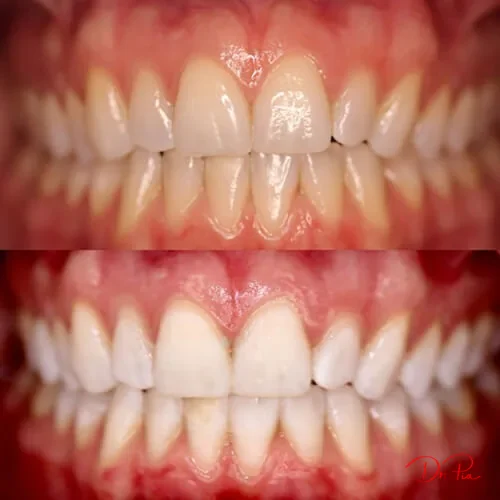
One of the scariest things about cosmetic dentistry used to be the leap of faith, committing to irreversible work without really knowing how it would look. Digital smile design (DSD) has changed that, letting you preview your new smile before a single tooth is touched.
What Is Digital Smile Design?
Digital smile design is a process where the dentist uses photos, video, and digital scans of your face and teeth to design your proposed smile on a computer. Rather than guessing, they map out tooth shape, length, proportion, and alignment in the context of your lips, gums, and overall facial features.
The software produces a visual mock-up of the planned result.
The "Trial Smile" Preview
The real magic is the preview. Many practices can show you:
- A digital image of your potential smile
- A 3D rendering from multiple angles
- A trial smile: temporary material applied directly onto your teeth so you can see and feel the proposed design in your own mouth
You get to react, request changes, and approve the plan before any irreversible work begins.
Why does digital smile design matter?
Digital smile design matters because it reduces the risk of disappointment, improves communication through a shared visual reference, helps the dentist plan more precisely, eases anxiety, and lets you make changes before they can no longer be undone.
The benefits are significant:
- Reduces risk of disappointment: you're agreeing to a result you've already seen
- Improves communication: a shared visual reference instead of vague descriptions
- Helps the dentist plan more precisely: often improving the final result
- Reduces anxiety: the uncertainty is largely removed
- Lets you make changes before they can no longer be undone
When is digital smile design especially valuable?
Digital smile design is most valuable for bigger cosmetic cases, like what a smile makeover involves, where stakes and cost are highest:
- Multiple porcelain veneers
- Full smile makeover
- No-drill veneers and the Dr. Pia Method™
- Cases combining gum and tooth work
What does a typical DSD workflow look like?
A typical DSD workflow runs from consultation and records through software design, a digital or trial-smile preview, refinement from your feedback, and finally treatment crafted to the approved design.
Swipe to see more →
| Step | What Happens |
|---|---|
| 1. Consultation | Goals, lifestyle, and facial analysis discussed |
| 2. Records | Photos, videos, and digital scans captured |
| 3. Design | Software maps the proposed smile |
| 4. Preview | You see the digital and/or trial smile |
| 5. Refinement | You provide feedback; design adjusted |
| 6. Treatment | Final restorations crafted to approved design |
Frequently Asked Questions
Is digital smile design expensive? DSD is often included with significant cosmetic cases at no extra charge, it's a tool the dentist uses to plan your treatment. Ask your provider.
Does the preview match the final result? A skilled cosmetic team gets remarkably close. The trial smile is your last chance to refine before irreversible work begins.
Do I need DSD for a single tooth? Probably not, but for multi-tooth cases, it's invaluable.
Can I show my own ideas? Absolutely. Bring reference photos. Designing your smile is a collaboration.
The Bottom Line
You no longer have to cross your fingers and hope. Digital smile design turns cosmetic dentistry from a gamble into a collaboration where you see the destination before you start the journey.
with Dr. Pia to see a digital preview of your smile.