
Ozempic and Your Teeth: What GLP-1 Patients Should Know
By Dr. Pia Lieb
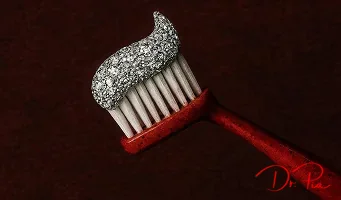
GLP-1 receptor agonists like Ozempic, Wegovy, Mounjaro, and Zepbound have transformed the landscape of weight management and type 2 diabetes care. Millions of patients are reporting life-changing results: significant weight loss, improved blood sugar control, and reduced cardiovascular risk. But as these medications become more widespread, dental professionals are sounding the alarm about an under-discussed side effect, namely serious damage to dental enamel and overall oral health.
If you're taking a GLP-1 medication, or considering one, here's what you need to know about protecting your smile.
What do GLP-1 and GLP-2 medications do?
GLP-1 agonists mimic the hormone glucagon-like peptide-1 to regulate insulin, slow gastric emptying, and suppress appetite. GLP-2 analogs affect intestinal absorption, and dual or triple agonists amplify the same effects more dramatically.
- GLP-1 agonists (semaglutide/Ozempic/Wegovy, liraglutide/Saxenda, dulaglutide/Trulicity) mimic glucagon-like peptide-1, a hormone that regulates insulin, slows gastric emptying, and suppresses appetite.
- GLP-2 analogs (teduglutide/Gattex) are primarily used for short bowel syndrome and affect intestinal absorption.
- Dual and triple agonists (tirzepatide/Mounjaro/Zepbound is a GLP-1/GIP dual agonist, while retatrutide is a GLP-1/GIP/glucagon triple agonist) amplify many of the same effects, and the same side effects, even more dramatically.
While these drugs work in the gut and brain, the side effects ripple outward to one body system that rarely gets discussed in the prescriber's office: the mouth.
How do GLP-1 medications damage tooth enamel?
GLP-1 medications attack enamel through several converging mechanisms: acid from vomiting and reflux, dry mouth, acidic beverage substitution, nutritional deficiencies, and harmful hygiene habits. Enamel is the hardest substance in the body, but once it erodes it does not grow back.
Enamel is composed primarily of hydroxyapatite, a crystalline calcium phosphate mineral, and the body has no mechanism to regenerate it, which is why dental erosion cannot be reversed.
1. Chronic Vomiting and Acid Reflux
Nausea and vomiting are among the most common side effects of GLP-1 medications, especially during dose escalation. Some patients experience this for weeks or months. Even those who don't vomit frequently often deal with gastroesophageal reflux because the medication slows gastric emptying. Food and stomach acid sit in the stomach longer and are more likely to back up into the esophagus and mouth.
Stomach acid has a pH of around 1.5 to 3.5. Enamel begins to demineralize at a pH below 5.5. Every episode of vomiting or reflux bathes your teeth in acid strong enough to dissolve the mineral structure of enamel. Over time, this leads to a condition called dental erosion, which presents as:
- Thinning, translucent edges on front teeth
- Yellowing as the dentin underneath becomes visible
- Cupped or hollowed-out chewing surfaces
- Increased sensitivity to hot, cold, and sweet foods
- Chipped or cracked teeth
2. Xerostomia (Dry Mouth) and Reduced Saliva Flow
Saliva is your mouth's primary defense system. It neutralizes acids, washes away food debris, delivers minerals back to the enamel surface (remineralization), and contains antimicrobial proteins that keep bacteria in check.
GLP-1 medications are strongly associated with xerostomia, or chronic dry mouth, for several reasons:
- Dehydration. Reduced food and fluid intake means less hydration overall.
- Autonomic effects. GLP-1 receptors are present in salivary glands, and activation may suppress saliva production.
- Reduced chewing stimulus. Eating less and chewing less means less mechanical stimulation of saliva flow.
Without adequate saliva, the mouth's natural buffering and remineralization systems collapse. Acids linger longer. Bacteria thrive. And enamel that might otherwise have recovered from mild acid exposure does not.
3. Acidic Beverage Substitution
Many GLP-1 patients report food aversion and seek out flavored beverages (sparkling waters, electrolyte drinks, lemon water, diet sodas, and citrus-flavored drinks) to stay hydrated and combat nausea. The problem is that nearly all of these are acidic:
- Sparkling water: pH 3.5 to 4.5
- Lemon water: pH 2.0 to 3.0
- Diet soda: pH 2.5 to 3.5
- Sports drinks: pH 2.9 to 3.5
Sipping these throughout the day creates a continuous acid bath that compounds the damage from reflux and vomiting.
4. Nutritional Deficiencies
Dramatically reduced food intake, sometimes 50% or more, can lead to deficiencies in calcium, vitamin D, vitamin K2, and phosphorus, all of which are critical for maintaining tooth structure and supporting bone health around the teeth. Protein deficiency also impairs the production of statherin and other salivary proteins that protect enamel.
5. Behavioral Changes Around Oral Hygiene
This one is less talked about, but real. Nausea, fatigue, and food aversion can change daily routines. Some patients brush less frequently because the act of brushing triggers their gag reflex. Others brush immediately after vomiting, which is actually one of the worst things you can do, because acid-softened enamel is then mechanically scrubbed away.
The Cascade of Other Oral Health Problems
Enamel erosion is the headline issue, but it is far from the only one. Patients on GLP-1s frequently experience:
- Increased cavity rates, particularly on smooth surfaces and along the gumline, where saliva normally protects most effectively
- Gum recession and periodontal disease, accelerated by dry mouth and nutritional deficiency
- Bad breath that won't go away from reduced saliva and altered oral microbiome
- Altered taste perception, sometimes persistent
- Oral thrush (candidiasis) as the dry, low-saliva environment allows fungal overgrowth
- Cracked lips and angular cheilitis
- Burning mouth sensation
- Teeth that suddenly become sensitive, which can become severe enough to interfere with eating
How can you protect your teeth on a GLP-1 medication?
The good news: most of this damage is preventable with informed, proactive care. If you are on a GLP-1 medication, treat your oral health as part of your treatment plan, not an afterthought.
Immediately After Vomiting
- Do NOT brush right away. Acid softens enamel, and brushing physically removes it.
- Rinse with water or a baking soda solution (1 teaspoon baking soda in a cup of water) to neutralize acid.
- Wait at least 30 to 60 minutes before brushing.
- Chew sugar-free xylitol gum to stimulate saliva.
Daily Routine
- Use a fluoride toothpaste, ideally one with stannous fluoride or a prescription-strength formulation (1.1% sodium fluoride / 5000 ppm) if your dentist recommends it.
- Consider hydroxyapatite toothpaste as an alternative or adjunct. Clinical studies suggest it can support remineralization.
- Use a soft-bristled brush and gentle pressure to avoid further mechanical wear.
- Rinse with a fluoride or remineralizing mouthwash at least once a day.
- Floss daily. Dry mouth makes interdental plaque accumulate faster.
Managing Dry Mouth
- Sip plain water frequently throughout the day.
- Use over-the-counter saliva substitutes (Biotène, XyliMelts, OraCoat).
- Run a humidifier at night.
- Avoid alcohol-based mouthwashes, which worsen dryness.
- Limit caffeine and alcohol intake.
Diet and Hydration Strategy
- When possible, choose still water over sparkling or flavored varieties.
- If you do drink acidic beverages, use a straw and consume them in one sitting rather than sipping all day.
- Rinse with water after consuming anything acidic.
- Prioritize calcium-, phosphorus-, and protein-rich foods within your reduced eating window. Greek yogurt, cheese, eggs, and leafy greens are dense in tooth-supporting nutrients.
- Talk to your prescriber about whether a multivitamin or specific supplementation is appropriate.
See Your Dentist More Often
Standard six-month checkups are not enough for most GLP-1 patients. Consider:
- Professional cleanings and exams every three to four months during active treatment.
- In-office fluoride varnish applications.
- Custom fluoride trays for at-home use.
- Early intervention with sealants for any teeth showing erosion.
- Salivary diagnostic testing to assess flow rate and pH.
Tell your dentist you are on a GLP-1 medication. Many practices now screen for this specifically, but if yours does not, bring it up. It changes the risk profile of nearly every part of your care.
The Conversation We Need to Have
GLP-1 medications are not the enemy. For many patients, they are genuinely life-saving, reducing the risk of heart attack, stroke, kidney disease, and the long list of complications tied to obesity and uncontrolled diabetes. The point is not to scare anyone off of treatment.
The point is that oral health needs to be part of the conversation when these drugs are prescribed. Prescribers should be flagging the dental risks. Patients should be partnering with their dentists from day one. And dental professionals should be screening for GLP-1 use the same way we screen for smoking, reflux, or chemotherapy history.
Your teeth do not grow back. The window to protect them is now, while you are still on the medication, not after the damage is done.
If you are taking a GLP-1 and have not seen your dentist recently, schedule a visit. Bring a list of your medications, mention any vomiting or dry mouth you have experienced, and ask specifically about your enamel. A few preventive steps now can save you years of restorative work, and years of sensitivity, cavities, and lost tooth structure, later.
This article is for educational purposes only and is not a substitute for personalized medical or dental advice. Always consult your physician and dentist about your specific situation before making changes to your medication regimen or oral care routine.