
Teeth Grinding: Signs You're Doing It and How to Stop
By Dr. Pia Lieb
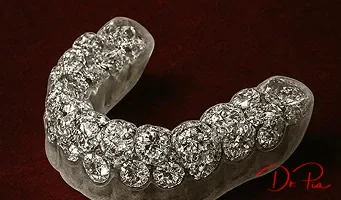
Bruxism is the clinical term for grinding or clenching your teeth, and most people who do it have no idea they're doing it, because much of it happens during sleep. Left unchecked, this habit quietly wears down enamel, cracks teeth, and strains the jaw. Recognizing bruxism early is the difference between a simple night guard and rebuilding worn-down teeth later.
What are the common signs of bruxism?
The most common signs of bruxism are a sore jaw or dull headache on waking, teeth that look flattened or worn at the edges, new tooth sensitivity, and audible grinding a partner notices at night. Because the grinding happens while you sleep, you often have to read these indirect clues.
- Waking with a sore jaw or dull headache
- Teeth that look flattened or worn at the edges
- Increased tooth sensitivity as enamel thins
- A partner who hears grinding sounds at night
- Tightness or clicking in the jaw joint
- Daytime clenching when stressed or concentrating
- Indentations on the tongue from pressing against teeth
What causes teeth grinding?
Stress and anxiety are the leading cause of bruxism. Other well-documented triggers include sleep disorders, an abnormal bite, certain medications, and stimulants taken in the evening. Often several factors overlap, which is why the fix is rarely a single change.
- Stress and anxiety: the major driver
- Sleep disorders, with sleep apnea strongly associated
- An abnormal bite (malocclusion)
- Certain medications, including SSRIs and stimulants
- Caffeine and alcohol, especially in the evening
- Recreational drugs
Why does teeth grinding matter?
Grinding matters because the forces involved far exceed normal chewing, and enamel does not grow back. Over time bruxism wears through enamel, cracks teeth, loosens fillings, strains the temporomandibular joint (TMJ), and damages cosmetic restorations. The American Dental Association's patient resource lists worn, chipped, and sensitive teeth among the classic consequences.
- Wears through enamel, exposing sensitive dentin
- Cracks teeth and fractures cusps
- Loosens fillings and unseats restorations
- Strains the jaw joint (TMJ), sometimes causing chronic jaw pain
- Damages porcelain veneers and crowns
How does a custom night guard help?
A custom-fitted night guard is the frontline treatment for bruxism. It cushions your teeth and absorbs grinding force while you sleep, protecting both natural enamel and existing dental work. Your dentist takes an impression so the guard fits your bite precisely.
- Cushions your teeth against direct contact
- Absorbs grinding force and redistributes pressure
- Protects existing dental and cosmetic work
Over-the-counter boil-and-bite guards are a temporary stopgap. A professionally fitted guard fits better, lasts longer, and protects more effectively because it is built to your exact bite.
What else helps stop teeth grinding?
Beyond a night guard, managing the underlying triggers reduces how hard and how often you grind. Because stress is the main driver, calming the nervous system and improving sleep quality often matter as much as the appliance itself.
- Manage stress through exercise, breathwork, or therapy
- Cut caffeine and alcohol in the evening
- Address sleep quality, and consider a sleep study if apnea is suspected
- Correct bite issues if they're contributing
- Botox for severe cases: small doses in the masseter muscles reduce clenching force
Explore our anti-aging dentistry approach, which often includes restoring teeth worn thin by years of grinding.
How severe is your bruxism?
Bruxism ranges from mild, occasional clenching to severe grinding that fractures teeth and damages the jaw joint. Matching treatment to severity keeps you from over- or under-treating the problem.
Swipe to see more →
| Severity | Signs | Recommendation |
|---|---|---|
| Mild | Occasional morning soreness | Lifestyle adjustments |
| Moderate | Visible wear, frequent jaw soreness | Custom night guard |
| Severe | Cracked teeth, chronic pain, TMJ issues | Multidisciplinary care, possibly Botox |
Frequently asked questions
Can bruxism be cured?
Bruxism is usually managed rather than cured. A night guard prevents damage even when the grinding continues, and treating stress or sleep apnea can reduce it at the source.
Are over-the-counter night guards okay?
They are better than nothing for the short term, but a custom guard from your dentist fits your bite precisely, lasts longer, and protects more reliably.
Does grinding cause headaches?
Yes. A dull morning headache, often around the temples, is a classic sign of overnight clenching straining the jaw muscles.
Can kids grind their teeth?
Yes, and most children outgrow it. Learn more in our post on whether it's normal for kids to grind their teeth.
When should you see a dentist about grinding?
See a dentist as soon as you notice worn edges, morning jaw pain, or a partner reports grinding, don't wait for visible damage. Protecting your teeth now is far easier and less costly than rebuilding worn-down teeth later.
with Dr. Pia.
This article is for educational purposes only and is not a substitute for professional dental advice.