
Does Charcoal Toothpaste Really Whiten Teeth? The Truth
By Dr. Pia Lieb
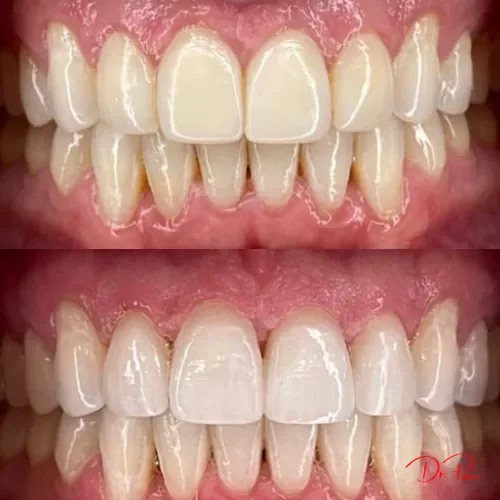
Charcoal toothpaste does not truly whiten teeth; it scrubs away surface stains through abrasion, and over time that abrasion can damage enamel. The jet-black paste makes striking marketing, but the gap between the promise and the evidence is wide. Here is what actually happens when you brush with it.
What does charcoal toothpaste claim to do?
The appeal rests on activated charcoal's reputation for being absorbent and "detoxifying." In a toothpaste, the marketing claim is that this absorbency lifts stains and whitens the teeth from the surface up.
It is an easy story to believe because the paste looks powerful and the first few uses can make teeth appear cleaner. That early impression is exactly what keeps the product selling, but it is doing something very different from real whitening.
Does charcoal toothpaste actually whiten teeth?
No, charcoal toothpaste removes some surface stains through abrasion but does not bleach or whiten the tooth itself. Real whitening changes the color of the tooth with peroxide; charcoal only polishes the outside.
- Charcoal is abrasive, so it scrubs away some surface stains
- That is why people see a slightly cleaner look at first
- It does not change the intrinsic color of the tooth the way peroxide-based whitening does
Once the easy surface stains are gone, the "whitening" effect stops, but the abrasion continues with every brush.
Is charcoal toothpaste bad for your teeth?
Yes, over time it can backfire, because its abrasiveness wears down enamel, and worn enamel makes teeth look more yellow, not less. Enamel is the protective outer layer that does not grow back, and the dentin beneath it is naturally yellow.
The damage compounds in a predictable sequence:
- Repeated use wears down enamel, the layer that cannot regenerate
- Beneath the enamel sits dentin, which is naturally yellow
- As enamel thins, teeth can end up looking more yellow: the opposite of the goal
- Worn enamel also brings more sensitivity and a higher risk of decay
What are the other downsides?
Beyond enamel wear, charcoal toothpaste creates practical problems around fluoride, dental work, and staining. These issues are easy to miss until they add up.
- Many charcoal toothpastes contain no fluoride, so you give up proven cavity protection
- Dark particles can lodge in gaps, around dental work, and along the gumline
- It can stain porcelain margins, discoloring cosmetic work you have paid for
What do dentists say about charcoal toothpaste?
Major dental bodies have generally cautioned against charcoal toothpaste, because the evidence for benefit is thin while the risk to enamel is real. The American Dental Association has not granted its Seal of Acceptance to charcoal dentifrices, and reviews consistently flag the abrasiveness concern. Toothpaste abrasiveness is measured on a scale called RDA, and many charcoal products sit at the higher, more aggressive end, the opposite of what worn or sensitive enamel needs. If you want a whiter smile, the safer path is to protect the enamel you have and change tooth color with a proven method rather than sand the surface down.
What are safer ways to whiten teeth?
Safer whitening pairs gentle daily care with a dentist-supervised method for real color change. Match the approach to your goal rather than the most dramatic product on the shelf.
Swipe to see more →
| Goal | Better option |
|---|---|
| Daily care | Fluoride toothpaste |
| Mild stain removal | Whitening toothpaste with low, safe abrasion (low RDA) |
| Real color change | Dentist-supervised whitening |
| Sensitive teeth | Hydroxyapatite or stannous fluoride toothpaste |
For the full rundown of what genuinely works, read our post on teeth whitening that actually works.
Frequently asked questions
Is charcoal toothpaste ever okay to use?
Occasional use is unlikely to cause major harm. Daily use is where the enamel damage compounds, so it is not a good everyday choice.
Does charcoal whiten better than whitening strips?
No. Strips contain actual peroxide that changes tooth color; charcoal only abrades the surface.
What's the most effective at-home whitening?
Custom trays with professional-grade gel from your dentist, the closest at-home approach to in-office results.
Will charcoal stain my veneers?
It can leave dark residue in the margins around restorations. Use it cautiously, if at all, near cosmetic work.
The bottom line
Charcoal toothpaste makes a great photo, not a great long-term habit. For safer and genuinely effective results, stick to fluoride toothpaste for daily care and a dentist-recommended method for actual color change. Your enamel will thank you.
This article is for educational purposes only and is not a substitute for professional dental advice.
for evidence-based whitening guidance.