
Teeth Whitening: What Actually Works and What Doesn't
By Dr. Pia Lieb
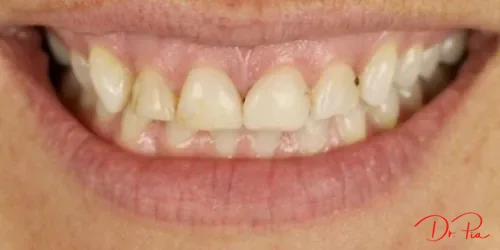
Teeth whitening removes stains from tooth enamel using a peroxide-based bleaching gel, and it is the fastest way to brighten a smile. The whitening aisle is crowded and confusing because most products work to some degree, but they do not work equally, and a few barely work at all. Here is an honest breakdown of what delivers results and what wastes your money.
What teeth-whitening methods actually work?
The most effective whitening methods use hydrogen peroxide or carbamide peroxide to bleach the tooth: professional in-office treatment works fastest, dentist-supplied custom trays offer the best value, and whitening strips give gradual results. Whitening toothpastes mostly clean rather than bleach. Effectiveness tracks peroxide concentration and contact time.
Professional in-office whitening (gold standard)
A dentist applies a high-concentration peroxide gel, often activated with light, and you can see several shades of difference in a single visit.
- Fastest, most dramatic option
- Best for special-occasion timelines
- Most expensive
Explore our laser teeth whitening service.
Dentist-supplied at-home trays
You receive custom trays and professional-strength gel to use over a couple of weeks.
- Results rival in-office whitening
- Takes longer (1 to 2 weeks of nightly wear)
- Excellent long-term value
Over-the-counter whitening strips
A budget-friendly start that genuinely works for surface and mild stains.
- Lower peroxide concentration than professional gel
- Gradual results over 1 to 2 weeks
- Best for maintenance, not transformation
Whitening toothpastes (mostly just cleaning)
These remove surface stains through mild abrasives rather than bleaching the tooth structure.
- Fine for maintenance
- Not for transformation
What whitening products should you be skeptical of?
Be skeptical of charcoal pastes, most "natural" acid hacks, and cheap one-size whitening mouthguards, they either fail to whiten or actively damage enamel. Anything that relies on abrasion or acid trades a little brightness for wear that cannot be undone.
- Charcoal pastes: abrasive enough to wear down enamel without real whitening
- "Natural" acid hacks: lemon juice and apple cider vinegar erode enamel
- Cheap one-size mouthguards: often fail to seal, so gel leaks and irritates gums
What are the honest caveats of whitening?
Whitening only works on natural tooth enamel, it cannot change the color of crowns, veneers, or fillings, and it cannot fix discoloration that comes from inside the tooth. The American Dental Association confirms peroxide whitening is safe and effective when used as directed.
- Whitening won't change crowns, veneers, or fillings
- Sensitivity is common and usually temporary
- Internal discoloration from trauma or certain medications needs a different fix, see our post on single dark tooth causes and fixes
- Plan whitening before any porcelain veneers or crowns so restorations match your brightened shade
How do the whitening methods compare?
In-office whitening delivers the highest, fastest results, while custom trays and strips work more gradually. Use this comparison to match a method to your timeline.
Swipe to see more →
| Method | Time to Results | Effectiveness |
|---|---|---|
| In-office | 1 visit | Highest |
| Custom trays at home | 1 to 2 weeks | High |
| OTC whitening strips | 2 to 4 weeks | Moderate |
| Whitening toothpaste | Maintenance | Low |
| Charcoal | None proven | None |
How do you make whitening last?
Whitening lasts longer when you limit staining foods and drinks, rinse after them, and touch up periodically with trays. Results fade gradually as pigments from coffee, wine, and tobacco re-accumulate, so maintenance keeps the shade bright.
- Limit coffee, red wine, and tobacco
- Rinse with water after staining drinks
- Use a straw for dark beverages
- Touch up with trays every 6 to 12 months
- Maintain excellent daily hygiene
Frequently asked questions
Is teeth whitening safe?
Whitening carries risks that vary with the product, the peroxide concentration, and how it is applied. In an office setting a dentist selects the concentration, isolates and protects the gum tissue before treatment starts, and monitors that tissue during the appointment. Discuss your own dental history with a dentist before whitening.
How long does whitening last?
Roughly 6 to 24 months, depending on your diet, habits, and method. Custom trays make quick touch-ups easy.
Why are my teeth sensitive after whitening?
Peroxide temporarily opens microscopic tubules in enamel. Sensitivity usually resolves within a few days, and a desensitizing toothpaste helps.
Can I whiten crowns or veneers?
No. Whitening only affects natural enamel, so any restorations keep their original shade.
Which whitening option is right for you?
For most people, dentist-supplied trays or quality whitening strips deliver the best value, while in-office treatment is the splurge for fast, special-occasion results. The right choice depends on your timeline, budget, and how much brightness you want.
with Dr. Pia for a personalized plan.
This article is for educational purposes only and is not a substitute for professional dental advice.