
Is Fluoride Safe? What the Science Actually Says
By Dr. Pia Lieb
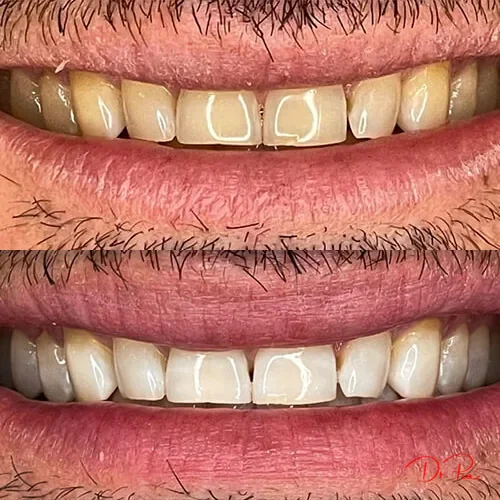
Fluoride is safe and effective at the low levels used in toothpaste and properly fluoridated water, according to the scientific consensus from major health bodies. It is a naturally occurring mineral that strengthens enamel and fights cavities, and while it draws vocal criticism, the mainstream evidence supporting it is strong. Here is a balanced look at what fluoride actually does.
What does fluoride do for your teeth?
Fluoride strengthens tooth enamel, helps reverse the earliest stages of decay by remineralizing damaged enamel, and makes enamel more resistant to future acid attacks. When acid from mouth bacteria strips minerals out of enamel, fluoride helps drive those minerals back in.
Its role is well established:
- Strengthens enamel against everyday wear
- Remineralizes early, white-spot-stage decay before it becomes a cavity
- Increases resistance to the acid produced when bacteria feed on sugar
Why do dentists recommend fluoride?
Dentists recommend fluoride because community water fluoridation has been credited with major reductions in tooth decay across whole populations, and topical fluoride protects individual teeth. It is one of the most studied and cost-effective preventive measures in public health.
In practice, fluoride reaches you through:
- Community water fluoridation, which lowers decay rates across a population
- Professional fluoride treatments applied during routine dental checkups
- Fluoride toothpaste, the standard daily recommendation
How safe is fluoride, according to the science?
The scientific consensus from the American Dental Association, WHO, and CDC is that fluoride is safe and effective at the low doses used in dental products and properly fluoridated water. The dose matters: the amounts in toothpaste and treated water are far below any level of concern.
The American Dental Association and other major health organizations have reviewed decades of research and continue to endorse fluoride for cavity prevention. Safety in medicine is always about dose, and the doses used in dentistry are well within safe limits.
What is the one real concern with fluoride?
The one real concern is dental fluorosis, faint white spots on developing teeth, which can occur if young children routinely swallow too much fluoride toothpaste. It is a cosmetic effect on teeth still forming under the gums, not a systemic health problem, and it is easily prevented.
Fluorosis produces the same kind of white spots on teeth some patients notice for other reasons. To prevent it, guidelines recommend:
- A smear of fluoride toothpaste for children under 3
- A pea-sized amount for ages 3 to 6
- Supervising brushing until a child can reliably spit rather than swallow
See our post on a child's first dental visit for age-appropriate brushing tips.
What if you want to avoid fluoride?
If you prefer to avoid fluoride, hydroxyapatite toothpaste is the most evidence-supported alternative for remineralization, though you trade away a well-proven protection. Fluoride remains genuinely contested in public debate, and some individuals and communities choose to limit it.
If you go fluoride-free:
- Talk to your dentist about a tailored prevention plan
- Consider hydroxyapatite toothpaste as the leading alternative
- Understand you are giving up a well-evidenced defense against cavities
What are the main sources of fluoride?
The main sources of fluoride are fluoridated tap water, toothpaste, mouthwash, professional varnish, and prescription-strength paste for high-risk patients. Each delivers a different concentration at a different frequency, and together they build steady protection.
Swipe to see more →
| Source | Concentration | Frequency |
|---|---|---|
| Fluoridated tap water | Low | Constant |
| Fluoride toothpaste | Moderate | Twice daily |
| Fluoride mouthwash | Moderate | Daily to weekly |
| Professional varnish | High | 2 to 4 times a year |
| Prescription paste (5000 ppm) | Very high | For high-risk patients |
Frequently asked questions
Is fluoride safe for adults?
Yes, at the doses used in dental products and fluoridated water. The concentrations involved are well below any threshold of concern.
Can I overdose on fluoride from toothpaste?
Acute toxicity requires swallowing far more than normal brushing involves. Keep toothpaste out of reach of young children as a sensible precaution.
Is bottled water fluoridated?
Most bottled water is not. If you rely on it instead of tap water, you may be missing this steady, low-level protection.
What is the best fluoride alternative?
Hydroxyapatite is the most evidence-supported alternative for remineralizing enamel, and it is available in several toothpaste brands.
At the doses used in dental products and public water, the evidence supports fluoride as a safe, effective tool against cavities. The key is using the right amount, especially keeping it out of little ones' tummies, rather than avoiding it altogether.
This article summarizes general scientific consensus and isn't a substitute for personalized advice from your dentist or doctor.