
How to Make Your Cosmetic Dental Work Last
By Dr. Pia Lieb
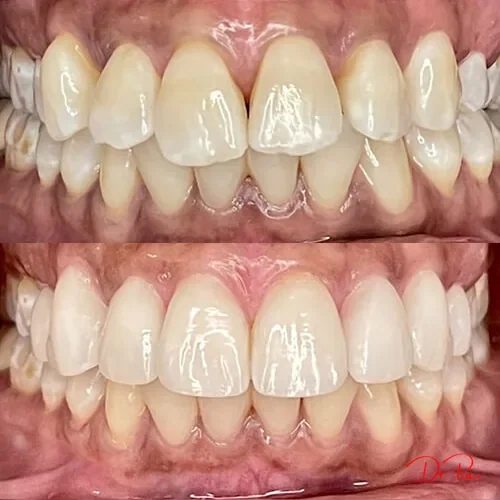
Cosmetic dental work lasts longest with consistent home hygiene, protection from grinding and hard foods, smart staining habits, and regular professional cleanings. Whether you've had veneers, whitening, or a full makeover, those four habits separate results that fade in a couple of years from a smile that looks great for a decade or more.
How do you clean cosmetic dental work day to day?
Brush twice a day, floss daily, and use a non-abrasive toothpaste, the same routine that protects natural teeth protects restorations. Cosmetic work doesn't ask for exotic products; it asks for gentle consistency.
- Brush twice a day with a soft-bristled brush
- Floss daily, including along the gumline
- Use a non-abrasive toothpaste: gritty whitening pastes can dull veneers over time
- Don't skip the gumline: the natural tooth under a veneer or crown can still decay
Healthy gums keep your restorations looking seamless, since receding tissue exposes margins and roots. Firm, well-supported gums frame the work the way it was designed to sit.
How do you protect veneers and crowns from damage?
Avoid biting hard objects, never use your teeth as tools, and wear a guard for sports or grinding. Porcelain and composite resin are strong but not indestructible, and a single hard bite can chip years of work.
- Don't bite hard objects: ice, pens, fingernails, popcorn kernels
- Don't use your teeth as tools to open packaging
- Wear a mouthguard for sports
- Get a night guard if you grind: bruxism is a leading cause of chipped or failed veneers and crowns (here are the signs of teeth grinding to watch for)
Grinding is the single most preventable threat to cosmetic work, and a custom appliance is the simplest insurance.
How do you keep cosmetic work from staining?
Natural enamel stains from coffee, tea, red wine, and tobacco, so limiting those and rinsing after keeps everything color-matched. Porcelain resists staining well; the challenge is keeping the surrounding natural teeth in step with it.
- Natural enamel stains from dark drinks and tobacco
- Porcelain veneers resist stains far better, but the natural teeth around them don't
- Cut back on staining habits, or rinse and brush after, to keep the shades matched
- Whitening won't lighten existing restorations, preventing stains is how you keep the match
That last point matters: since bleaching agents don't change porcelain or composite, a mismatched natural tooth can only be corrected by preventing stains in the first place.
Why do professional cleanings matter for cosmetic work?
Regular checkups and cleanings catch small problems early and remove buildup safely without scratching your restorations. A chip found early is a quick polish; the same chip ignored can become a full replacement.
- Regular checkups and cleanings catch small issues before they grow
- Professional cleanings remove plaque and tartar safely, using instruments and pastes chosen for cosmetic surfaces
- A hygienist can spot a hairline chip, a lifting margin, or early decay under a restoration long before you feel it
What care does each cosmetic treatment need?
Each treatment has one or two protection priorities, matching your habits to the material is what makes it last.
Swipe to see more →
| Treatment | Key Protection |
|---|---|
| Porcelain veneers | Night guard, gentle non-abrasive paste, no biting hard objects |
| Whitening | Avoid staining drinks, touch-up trays every 6 to 12 months |
| Crowns | Floss daily at the gumline, night guard if you grind |
| Implants | Excellent hygiene, regular hygiene visits, mouthguard for sports |
Implants, though they can't decay, still depend on healthy gum and bone, so hygiene protects the foundation rather than the crown itself.
Why should you follow your dentist's specific aftercare?
Your dentist's aftercare instructions target the exact material and placement of your restoration, so following them prevents the small failures that become expensive repairs. A loose veneer is far easier and cheaper to fix early than after it worsens. When something feels rough, sharp, or loose, call promptly rather than waiting for a scheduled visit.
Frequently Asked Questions
How long do porcelain veneers last with good care?
There is no set number of years. Disciplined hygiene, a night guard, and how heavily you load the front teeth decide how long a set holds.
Can I use whitening toothpaste with veneers?
Use it sparingly. Many are abrasive enough to dull the polish over time. Ask your dentist for a recommendation.
Should I avoid red wine indefinitely?
Not necessarily. Rinse with water afterward and limit frequent exposure. Porcelain resists wine staining well; natural enamel doesn't.
What's the most common reason cosmetic work fails?
Untreated grinding and poor hygiene. Both are largely preventable.
The Bottom Line
Your new smile isn't "set and forget." With good hygiene, protection from grinding and hard foods, smart staining habits, and regular dental visits, cosmetic work rewards you with years of looking its best, making the investment well worth it. Treat the maintenance as part of the result, not an afterthought, and the smile you paid for stays the smile you keep.
This article is for educational purposes only and is not a substitute for professional dental advice.