
Is a Root Canal Really That Painful? What to Actually Expect
By Dr. Pia Lieb
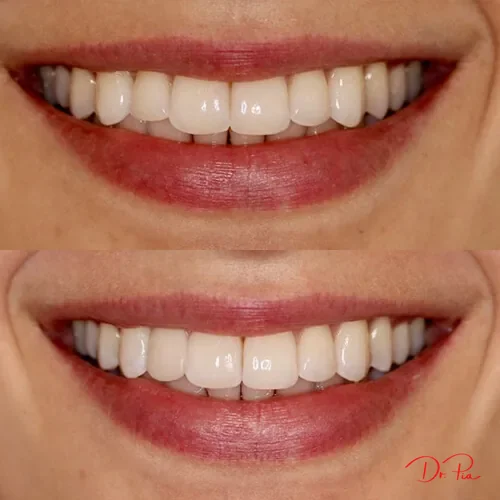
A modern root canal is not the ordeal its reputation suggests: with today's anesthetic it feels much like a routine filling, and its real job is to stop pain, not cause it. Mention the procedure and most people wince, but that reputation is decades out of date. The pain people fear is almost always the infection beforehand, which the treatment resolves.
What actually happens during a root canal?
A root canal removes the infected pulp from inside the tooth, disinfects the empty canals, and seals them, clearing out the source of the pain. The pulp is the soft core of nerves and blood vessels at the center of each tooth.
When deep decay, a crack, or repeated dental work lets bacteria reach the pulp, it becomes infected and inflamed: the source of the throbbing, lingering toothache people dread. The procedure works in three steps:
- Removes the infected pulp
- Cleans and disinfects the inner canals
- Seals them with a biocompatible material
Does a root canal hurt?
No, the pain people associate with root canals is the infection beforehand, not the treatment itself. With modern local anesthetic, the tooth and surrounding area are fully numbed before any work begins.
The procedure feels much like getting a filling: pressure and vibration, but not sharp pain. Most patients are comfortable throughout, and many are surprised by how anticlimactic the appointment turns out to be. If you're anxious, your dentist can discuss sedation options to keep you relaxed.
What is recovery from a root canal like?
Recovery is generally mild, expect tenderness for a few days, easily managed with over-the-counter pain relievers. The treated tooth may feel sensitive to pressure while the surrounding tissue settles.
- Tenderness for a few days, controlled with standard pain relievers
- Stick to softer foods and avoid chewing directly on the tooth at first
- Because the tooth is more brittle without its living core, your dentist will usually recommend a crown afterward to protect it from fracture
That protective crown is a key part of the outcome, especially on back teeth that absorb heavy chewing force.
Why does saving the tooth matter?
Saving your natural tooth preserves your bite, protects the surrounding bone, and keeps neighboring teeth from drifting, advantages an extraction gives up. The alternative to a root canal is typically pulling the tooth.
A root canal:
- Preserves your natural bite and chewing function
- Preserves the bone around the tooth, which shrinks after extraction
- Protects neighboring teeth from tilting into the gap
Keeping your own tooth is almost always the better long-term choice, and it avoids the cost and additional procedures of replacing it.
What are the signs you may need a root canal?
Warning signs include a severe lingering toothache, prolonged temperature sensitivity, pain when biting, swelling, or a bump on the gum. These point to an inflamed or infected pulp.
- Severe, lingering toothache
- Sensitivity to hot or cold that lingers after the trigger is gone
- Pain when biting or applying pressure
- Swelling near the gum
- A pimple-like bump on the gum that drains, one of the classic warning signs of a tooth abscess
- A darkening tooth
If several of these appear together, see a dentist promptly, since an untreated infection can spread.
Root canal versus extraction: which is better?
A root canal keeps the natural tooth and its bone, while extraction is cheaper upfront but usually costs more once you replace the tooth.
Swipe to see more →
| Factor | Root Canal | Extraction |
|---|---|---|
| Saves natural tooth | Yes | No |
| Preserves bite alignment | Yes | Requires replacement |
| Preserves bone | Yes | Bone shrinks |
| Cost upfront | Moderate to High | Lower |
| Long-term cost | Lower | Higher (implant/bridge) |
Frequently Asked Questions
Are root canals painful in 2026?
No. Modern anesthetic and technique make them comparable to a routine filling.
How long does a root canal take?
Usually 60 to 90 minutes, sometimes across a second visit for complex cases.
Do I need a crown after a root canal?
Most of the time, yes, especially for molars. The tooth becomes brittle without its pulp and needs protection.
Can a root canal fail?
Rarely. When it does, retreatment or a surgical alternative (apicoectomy) can often still save the tooth.
The Bottom Line
If a dentist recommends a root canal, the news is better than it sounds. You're not signing up for pain, you're ending it, and keeping your natural tooth in the process. The sooner an inflamed pulp is treated, the more comfortable the experience and the better the long-term result.
This article is for educational purposes only and is not a substitute for professional dental advice.