
Dentures in 2026: Types, Cost, and What to Expect
By Dr. Pia Lieb
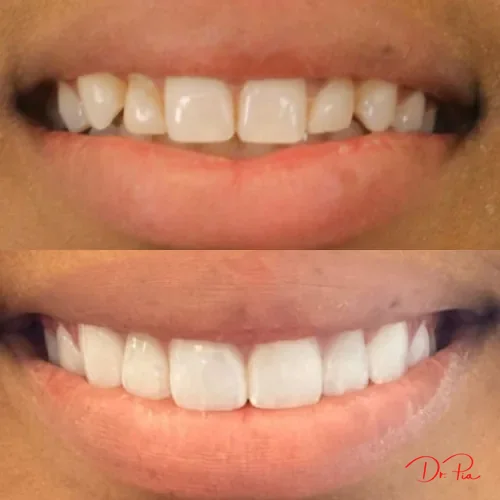
Dentures have come a long way from the ill-fitting, obviously fake teeth of decades past. Today's options look natural and fit far better, but choosing the right type starts with understanding what's available.
What's the difference between full and partial dentures?
Full dentures replace every tooth in an arch when no natural teeth remain; partial dentures fill gaps when you still have healthy teeth, clipping onto them for stability.
- Full dentures replace all the teeth in an arch and rest on the gums, used when no natural teeth remain
- Partial dentures fill in gaps when you still have some healthy teeth, clipping onto them for stability
Should I choose conventional or implant-supported dentures?
This is the bigger modern decision. Conventional dentures sit on the gums and are affordable but can shift; implant-supported dentures snap onto a few implants for dramatically better stability at a higher upfront cost.
Conventional Dentures
Sit on the gums and are held by suction or adhesive.
- Affordable and non-surgical
- Can shift while eating or speaking
Implant-Supported Dentures
Snap onto a few strategically placed implants.
- Dramatically better stability and bite force
- Solve the slipping problem that frustrates so many denture wearers
- Higher upfront cost: worth it for many
How much do dentures cost?
Denture cost rises with quality and support: basic conventional sets are the most affordable, and full-arch fixed options cost the most.
What is the adjustment period like with new dentures?
New dentures can feel bulky, alter speech briefly, and make eating tricky at first. Starting with soft foods, practicing speaking aloud, and seeing your dentist for sore-spot adjustments all ease the transition.
Tips for the first weeks:
- Start with soft foods and small bites
- Practice speaking aloud (reading helps)
- See your dentist for sore-spot adjustments
- Gradually expand your diet
How do you care for dentures?
Clean dentures daily with a denture brush and non-abrasive cleaner, remove them at night to let gums rest, soak them overnight in denture solution, and avoid hot water that can warp the material.
- Clean daily with a denture brush and non-abrasive cleaner
- Remove at night to let gums rest (unless advised otherwise)
- Soak in denture solution overnight
- Don't use hot water (can warp the material)
How long do dentures last?
Gums change shape over time, so dentures need periodic relining or replacement. How often depends on how quickly the ridge changes, which varies from person to person.
Keep up dental check-ups even without natural teeth, because your dentist monitors gum and tissue health.
Dentures vs. Other Tooth Replacement
Swipe to see more →
| Factor | Dentures | Implants | Bridges |
|---|---|---|---|
| Surgery | No | Yes | No |
| Bone preservation | None | Excellent | None |
| Lifespan | Shortest | Longest | Middle |
| Stability | Variable | Excellent | Good |
Frequently Asked Questions
How long does it take to get used to dentures? Typically 2 to 4 weeks for full adjustment.
Can dentures be combined with implants? Yes, implant-supported overdentures combine the affordability of dentures with the stability of implants.
Will dentures change my appearance? Well-fitted dentures restore facial fullness lost from missing teeth, the same principle behind restoring lip and cheek support with fixed restorations rather than a removable appliance.
How often do dentures need replacing? Relining and replacement are both expected over time. Your dentist sets the interval from how your ridge and tissue actually change.
The Bottom Line
Dentures remain a practical, affordable way to restore a full smile, and modern implant-supported versions close much of the comfort gap that gave older dentures their reputation. If you're weighing fixed options too, our guide to dental bridges vs. implants compares the alternatives.
with Dr. Pia.