
Does Oil Pulling Whiten Teeth? What the Evidence Shows
By Dr. Pia Lieb
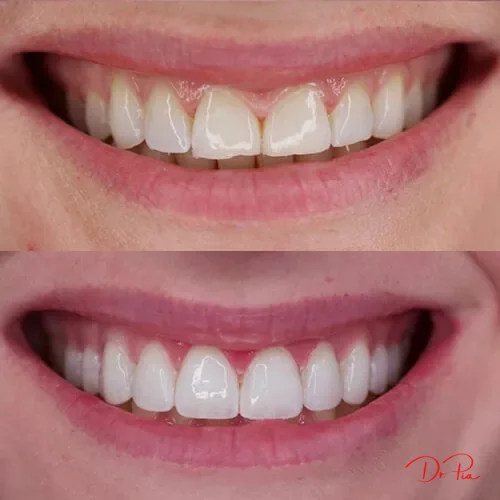
Oil pulling does not whiten teeth in any meaningful way, though it's generally harmless as an add-on to brushing and flossing. This ancient practice is having a modern moment online, promoted as a cure-all for whitening, breath, and "detoxing." Separating the plausible from the hype matters, because none of the dramatic claims hold up.
What is oil pulling?
Oil pulling means swishing about a tablespoon of oil, usually coconut, around your mouth for 15 to 20 minutes, then spitting it out. The traditional practice comes from Ayurvedic medicine, and coconut oil is the most common modern choice.
The idea is that the oil binds bacteria and debris and carries them out when you spit. Fans treat it as a morning ritual before brushing. It's low-cost and low-risk, which is part of its appeal, but low risk is not the same as proven benefit.
What does the evidence say about oil pulling?
Evidence for oil pulling is limited, and at most it offers a small, supplemental benefit to standard oral hygiene. Where studies show any effect, it's modest and doesn't replace the basics.
Limited research suggests it may:
- Modestly reduce certain oral bacteria
- Help somewhat with bad breath
- Add a small benefit on top of brushing and flossing
As a gentle supplement, it isn't unreasonable. As a substitute for proven care, it falls short. Major bodies like the American Dental Association continue to recommend brushing with fluoride toothpaste and daily flossing as the foundation of oral health.
What doesn't oil pulling do?
Oil pulling doesn't bleach teeth, doesn't "detox" the body, and can't replace brushing and flossing. The bigger claims deserve real skepticism.
- No solid evidence it whitens teeth: at best it wipes away some surface film, not the internal color of the tooth
- Doesn't "detox" the body; the mouth is not a detox organ
- Is not a replacement for brushing and flossing
For real color change, see our guide to what teeth whitening actually works.
Do other "natural whitening" trends work?
Most natural whitening hacks either do nothing or actively damage enamel, a few are worth outright avoiding. Here's how the popular ones hold up.
Baking soda
Mildly abrasive. It can lift surface stains, but overuse wears enamel. Use sparingly, if at all.
Lemon juice or apple cider vinegar
Strongly acidic. Acid erodes enamel and, over time, makes teeth look more yellow by thinning the enamel and exposing the darker dentin beneath. Avoid these acid-based hacks.
Charcoal products
Abrasive and lacking evidence of real whitening, read our charcoal toothpaste deep-dive for the full picture.
Activated charcoal pulling
Same concerns as charcoal toothpaste: anecdotal effects, real abrasion risk, no proven whitening.
What actually works for "natural" whitening?
The genuinely effective "natural" approach is prevention: consistent hygiene, fewer staining drinks, no tobacco, and regular cleanings. These steps stop new stains rather than promising to bleach away old ones.
- Brush and floss consistently
- Cut back on staining drinks: coffee, red wine, tea, dark sodas
- Quit tobacco, the most aggressive staining source
- Drink water after staining drinks to rinse pigments away
- Get regular professional cleanings
For true color change beyond stain prevention, dentist-supervised professional teeth whitening is the proven route.
How do the natural methods compare?
Only diet adjustment reliably helps, by preventing new stains; the rest range from neutral to enamel-damaging.
Swipe to see more →
| Method | Whitening Effect | Safety | Worth Doing? |
|---|---|---|---|
| Oil pulling | None proven | Generally safe | As an add-on, sure |
| Baking soda (rare use) | Mild surface | OK in moderation | Limited |
| Lemon/ACV | None | Erodes enamel | Avoid |
| Charcoal | None proven | Abrasive | Avoid |
| Diet adjustment | Prevents new staining | Safe | Highly effective |
Frequently Asked Questions
Should I add oil pulling to my routine?
If you enjoy it, it's not harmful as an add-on to standard hygiene. Don't expect dramatic results.
Can natural methods replace professional whitening?
No. Preventing surface stains is the most they offer; they can't change the tooth's underlying color.
Is coconut oil better than other oils for pulling?
Most studies use coconut oil; sesame is the traditional choice. Either works similarly.
Does swishing with hydrogen peroxide whiten teeth?
At low concentrations, mildly. Higher, effective concentrations belong in dentist-supervised products.
The Bottom Line
Oil pulling won't hurt you as an add-on, but treat its whitening promises with a healthy dose of doubt. Prevention, hygiene, diet, no tobacco, is the real "natural" win, and for genuine color change, dentist-supervised methods remain the gold standard.
This article is for educational purposes only and is not a substitute for professional dental advice.