
Cracked or Chipped a Tooth? Here's What to Do Right Now
By Dr. Pia Lieb
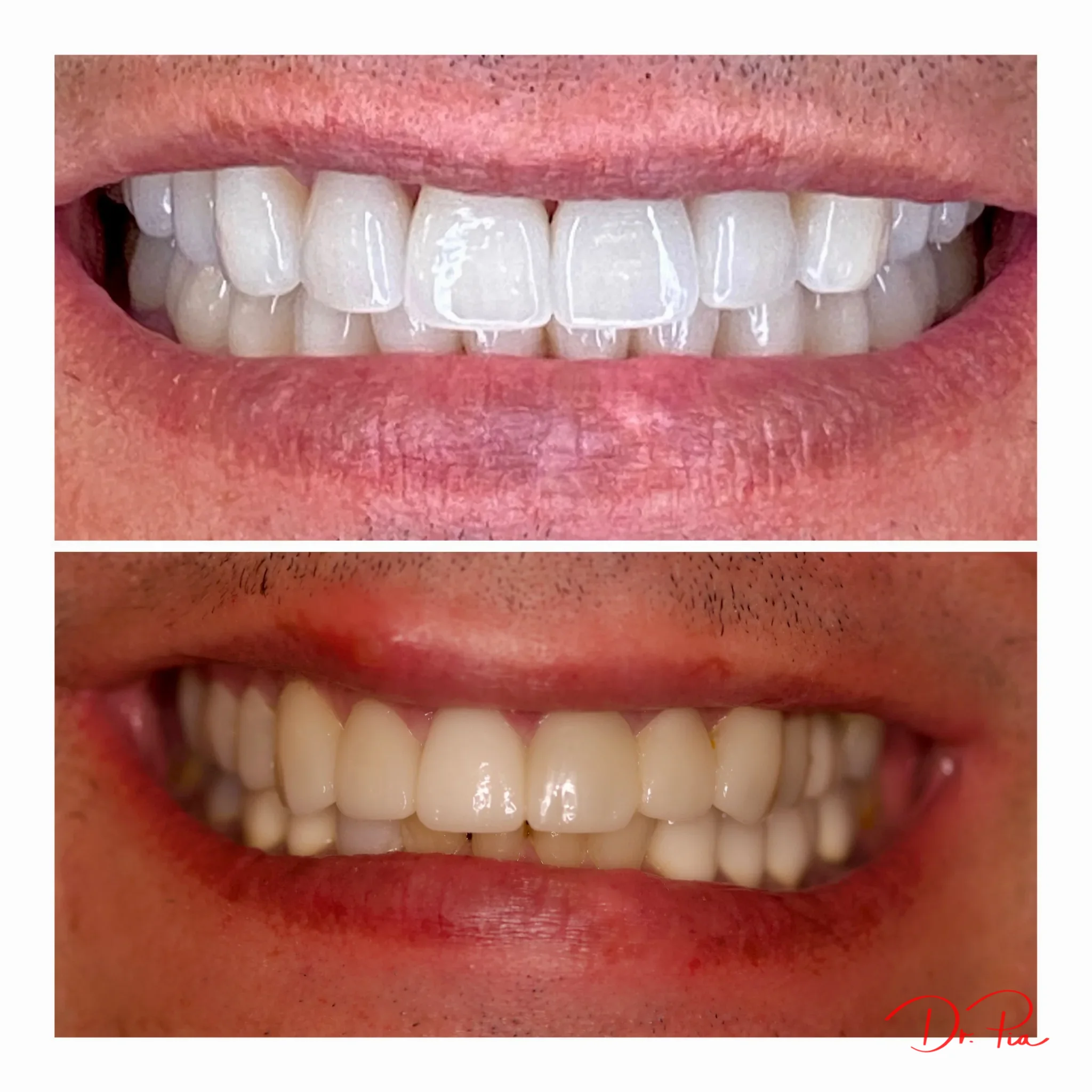
A cracked or chipped tooth needs you to stabilize the tooth, control any pain, judge the severity, and get to a dentist. Biting something hard, a sports knock, one unlucky moment, or months of unmanaged grinding can chip a tooth or crack it. What you do next depends on how bad the damage is, but a few immediate steps apply to every case.
What are the first steps after chipping or cracking a tooth?
Rinse gently, control any bleeding, ease pain, and protect the tooth until you can see a dentist. These seven steps cover the first hour and keep a small problem from becoming a bigger one.
- Rinse your mouth gently with warm water to clean the area
- Apply gentle pressure with gauze if there is bleeding
- Hold a cold compress on your cheek to reduce swelling
- Take an over-the-counter pain reliever if needed
- Save the broken piece if you can find it, a fragment can sometimes be reattached
- Avoid chewing on that side of your mouth
- Cover any sharp edge with dental wax or sugarless gum to protect your tongue and cheek
How do you judge the severity of a cracked or chipped tooth?
Severity ranges from a minor chip with no pain that can wait a few days to a deep break that needs same-day care. Sorting your injury into one of three levels tells you how fast to act.
Minor Chip (Generally Not an Emergency)
- Small chip in the enamel
- No pain
- No sharp edges threatening the soft tissue
Action: Book a regular appointment within a week. Do not ignore it.
Moderate Damage
- Larger chip with sharp edges
- Mild to moderate sensitivity
- A visible cosmetic concern
Action: Arrange a same-week visit.
Significant Damage (Urgent)
- A significant break exposing the inner tooth
- Sharp, persistent pain
- Bleeding that will not stop
- A tooth that feels loose
- A tooth that is knocked out
Action: Seek same-day care. See our dental emergency guide for what qualifies as urgent.
What treats a cracked or chipped tooth?
Treatment scales with the damage, from simple polishing for a tiny chip to a crown, root canal, or replacement for a severe break. The right restoration depends on how deep the damage reaches.
Swipe to see more →
| Damage Level | Likely Treatment |
|---|---|
| Minor chip | Smoothing |
| Larger break | A crown |
| Crack into the pulp | Root canal plus a crown |
| Beyond saving | Extraction plus an implant or bridge |
For a moderate break that does not need a full crown, an inlay or onlay restores the tooth while preserving more natural structure. A porcelain crown protects a tooth once the crack or break is large enough that even those more conservative options would fail.
Can a cracked tooth hurt without being visible?
Yes, cracks are not always visible and may not hurt immediately. A tooth that twinges sharply when you bite down or release pressure can have a crack that needs evaluation even when it looks perfectly fine.
This pattern is called cracked tooth syndrome. The crack flexes under chewing force and irritates the pulp inside. Catching it early usually saves the tooth, because an untreated crack tends to deepen until the tooth splits or the nerve becomes infected.
What should you not do with a cracked or chipped tooth?
Do not ignore the damage, file the edges yourself, or keep chewing on the affected side. A few well-meaning mistakes make repairs harder.
- Do not ignore it even when it looks minor
- Do not file or sand sharp edges yourself
- Do not apply over-the-counter dental cement if your dentist visit is within a day
- Do not keep chewing on the affected side
Frequently Asked Questions
Can a chipped tooth heal itself?
No, enamel does not grow back. The chip stays exactly as it is until a dentist repairs it.
Will a small chip get worse?
Possibly. Uneven surfaces can crack further or trap food and plaque, which leads to decay over time.
Is a cracked tooth always saveable?
Most cracks are saveable if treated early. A deep crack that runs into the root may require extraction.
How long can I wait to fix a chip?
Minor chips can wait a few days to a week. Anything painful, loose, or significant needs same-day attention.
The Bottom Line
Stabilize and protect the tooth, manage the pain, judge the severity, and get to a dentist: quickly for serious breaks, soon for minor ones. Acting promptly is often the difference between a simple repair and losing the tooth.
This article is for educational purposes only and is not a substitute for professional dental advice.