
Dental Implants 101: How the Process Works
By Dr. Pia Lieb
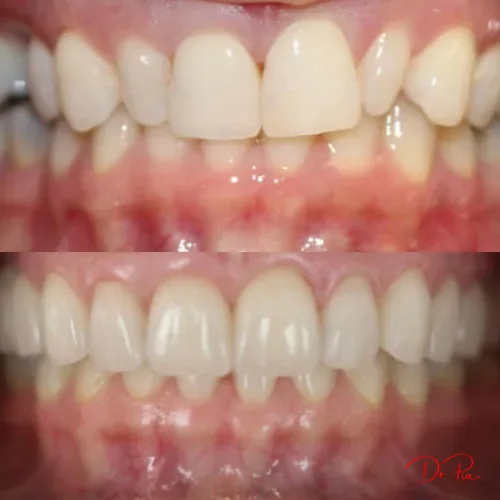
A dental implant is one of the few ways modern dentistry can truly replace a missing tooth, root and all, rather than just filling the gap. Understanding how they work makes the cost a lot easier to justify.
How do dental implants work?
A dental implant replaces a missing tooth, root and all. It has three parts that work together, and over a few months the jawbone fuses to the titanium for remarkable stability.
An implant has three parts:
- Titanium post: surgically placed into the jawbone to act as an artificial root
- Abutment: connects the post to the crown
- Porcelain crown: looks and functions like a natural tooth
Over a few months, the bone fuses to the titanium in a process called osseointegration, which is what gives implants their remarkable stability.
What are the steps in the dental implant process?
The implant process runs across several appointments: consultation and 3D imaging, surgical placement of the post, a 3 to 6 month healing window for osseointegration, abutment placement, and finally the custom crown.
The process is rarely a single appointment:
- Consultation and 3D imaging: assess bone, gums, overall health
- Surgical placement of the post
- Healing window of 3 to 6 months for osseointegration
- Abutment placement
- Final crown custom-made and attached
Some patients qualify for "immediate load" implants with a temporary crown the same day, but that depends on bone quality.
Explore our dental implants service.
What Do Dental Implants Cost?
Implant treatment is quoted in two separate fees. The surgical specialist sets the placement fee, and Dr. Pia quotes the restorative fee for the crown or prosthetic after evaluating the case. Low advertised offers cover the surgical post only, not the abutment, the crown, or any grafting the site needs. Cost climbs for:
- Bone grafts
- Sinus lifts
- Multiple teeth
- Full-arch ("All-on-4") restorations
It is a significant investment, and implants are designed to stay in place rather than be swapped on a schedule the way a dental bridge or dentures are.
Are You a Candidate?
You'll generally need:
- Enough healthy jawbone (grafting can sometimes fix that)
- Healthy gums
- Habits that support healing: heavy smoking and uncontrolled diabetes can complicate things
The Big Advantages
- Don't rely on neighboring teeth (unlike bridges)
- Don't slip like dentures
- Preserve bone that would otherwise shrink after a missing tooth
- Look and feel like natural teeth
- Long service life with proper care
Implants vs. Bridges vs. Dentures
Swipe to see more →
| Factor | Implants | Bridges | Dentures |
|---|---|---|---|
| Service life | Longest of the three | Shorter than implants | Shortest of the three |
| Bone preservation | Excellent | None | None (may worsen) |
| Surgery required | Yes | No | No |
| Affects neighboring teeth | No | Yes (reshapes them) | No |
| Cost per year | Best value | Moderate | Higher (replacements) |
Frequently Asked Questions
Is implant surgery painful? Most patients report mild discomfort, controlled with over-the-counter pain relievers. Local anesthetic eliminates pain during the procedure.
How long do implants last? It varies by case. Bone quality, bite forces, hygiene, and smoking all affect the outcome, which is why a dentist assesses those factors before treatment.
Can implants fail? Rarely. Most failures are linked to smoking, uncontrolled diabetes, or poor oral hygiene.
Can I get an implant years after losing a tooth? Often yes, but bone loss may require grafting first.
The Bottom Line
Implants are the closest thing to a real tooth that modern dentistry can offer. The upfront investment is significant, but the per-year value and quality-of-life impact make them worth it for the right patient.
with Dr. Pia.